


New CNC is clean paperwork and a factory warranty. Used CNC is where most shops actually stretch their budget. The question is not “is used cheaper.” It is what you keep after the first spindle rebuild, the first control board you cannot source, and the first week the machine sits dark.
We buy and sell used CNC every week across a 225,000 sq ft showroom and ship nationwide. Here is how we walk a buyer through used vs new — with machines that are on the floor today.
What you save on late-model used
The biggest win is depreciation you did not have to fund. A two-to-five-year-old machine with a current control, real options, and honest hours often does the same work as new for a lot less capital. You are buying capability that already exists, not a brochure.
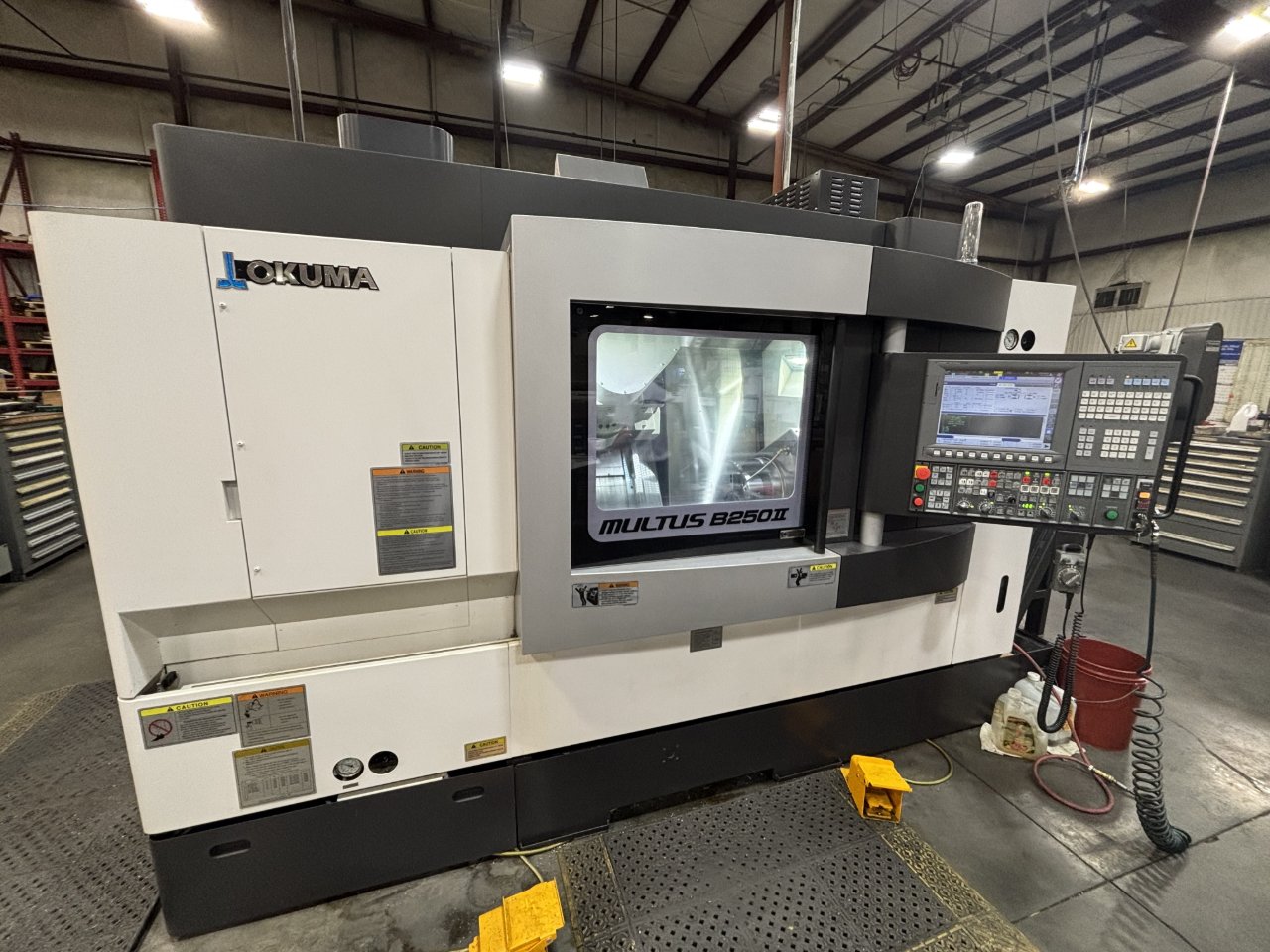
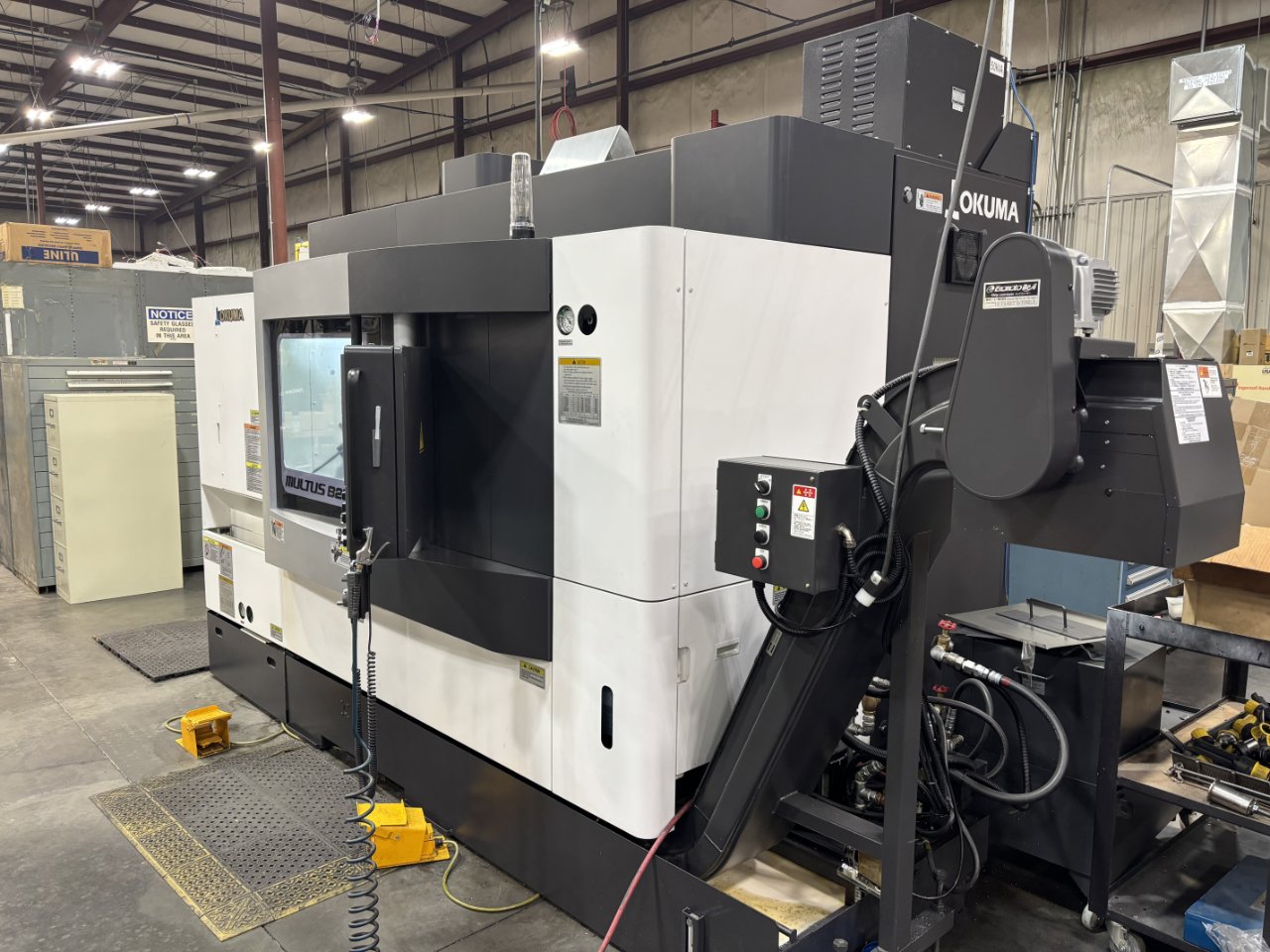
Take this 2022 Okuma Multus B250 II. Mill/turn in one footprint: 30 HP turning spindle, 12,000 RPM milling spindle, 40-tool ATC, Kitagawa chucks, Renishaw probing, chip conveyor, OSP-P500. The listing calls it low hours and like-new condition. That is the used case at its best — almost the capability of new, without writing a new-machine check.
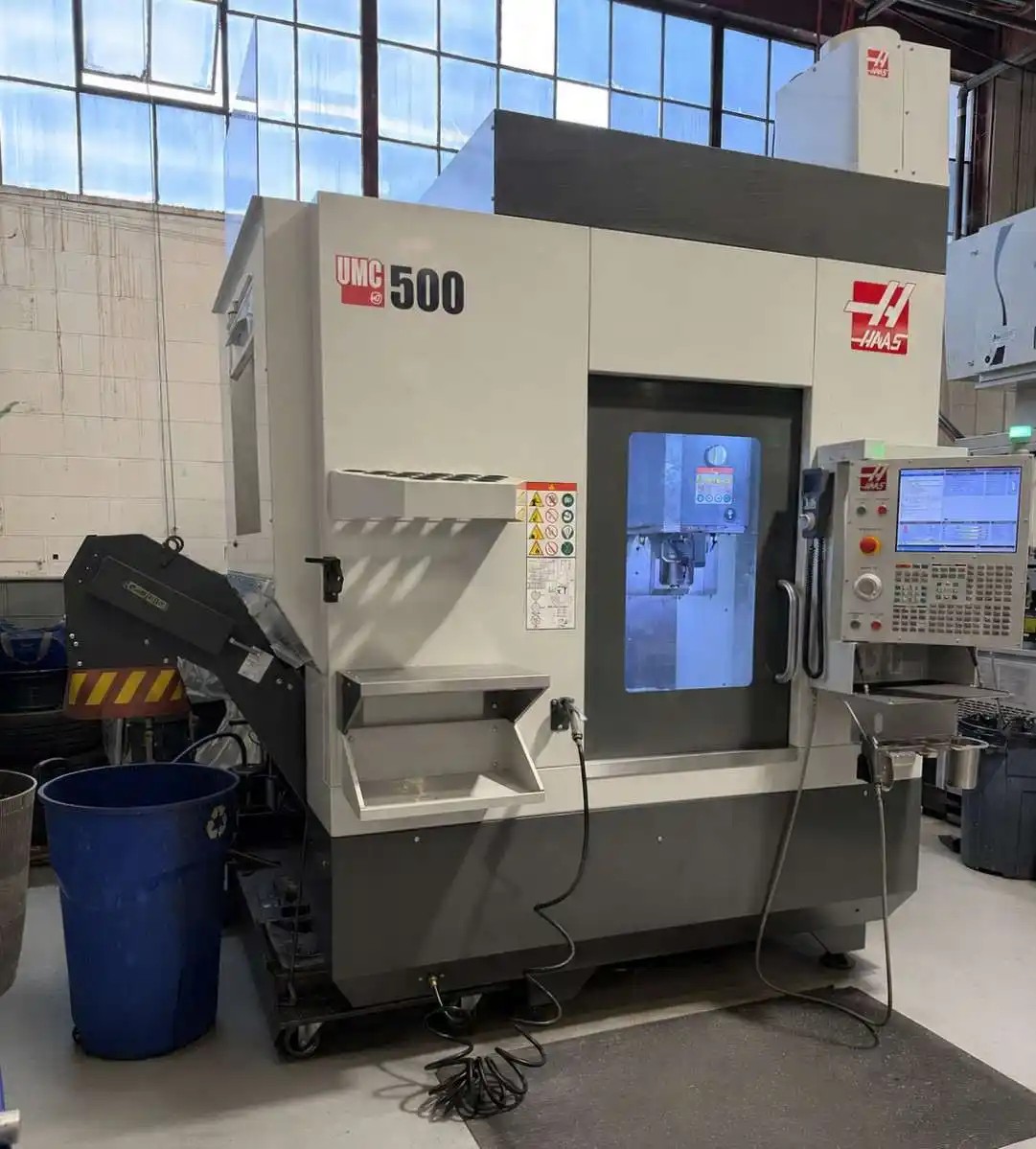
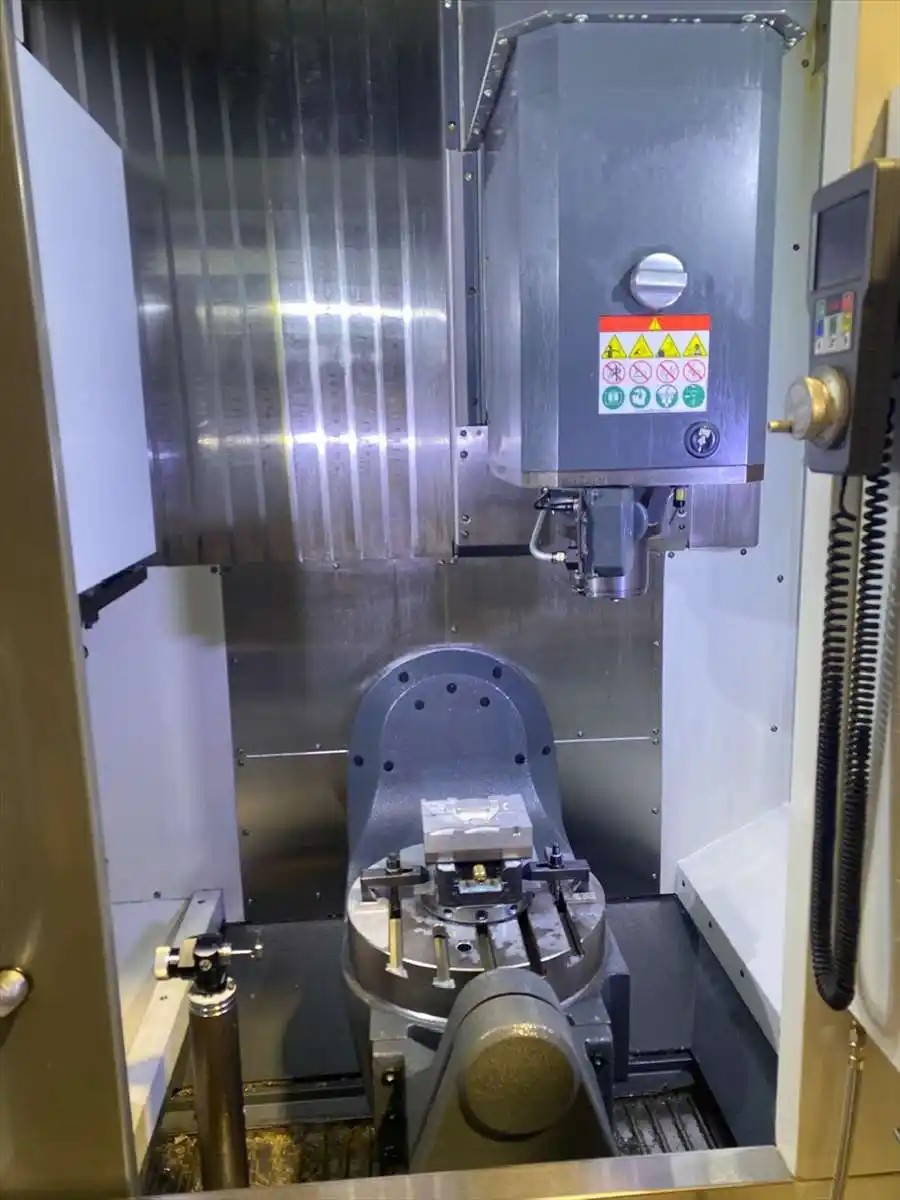
Same story on five-axis. This 2020 Haas UMC-500 is a universal machining center with a 2-axis trunnion, Haas control, 30+1 side-mount tools, 300 PSI through-spindle coolant, and a chip conveyor. New five-axis money is a different conversation. Late-model used gets many shops into the work without waiting on a build slot.
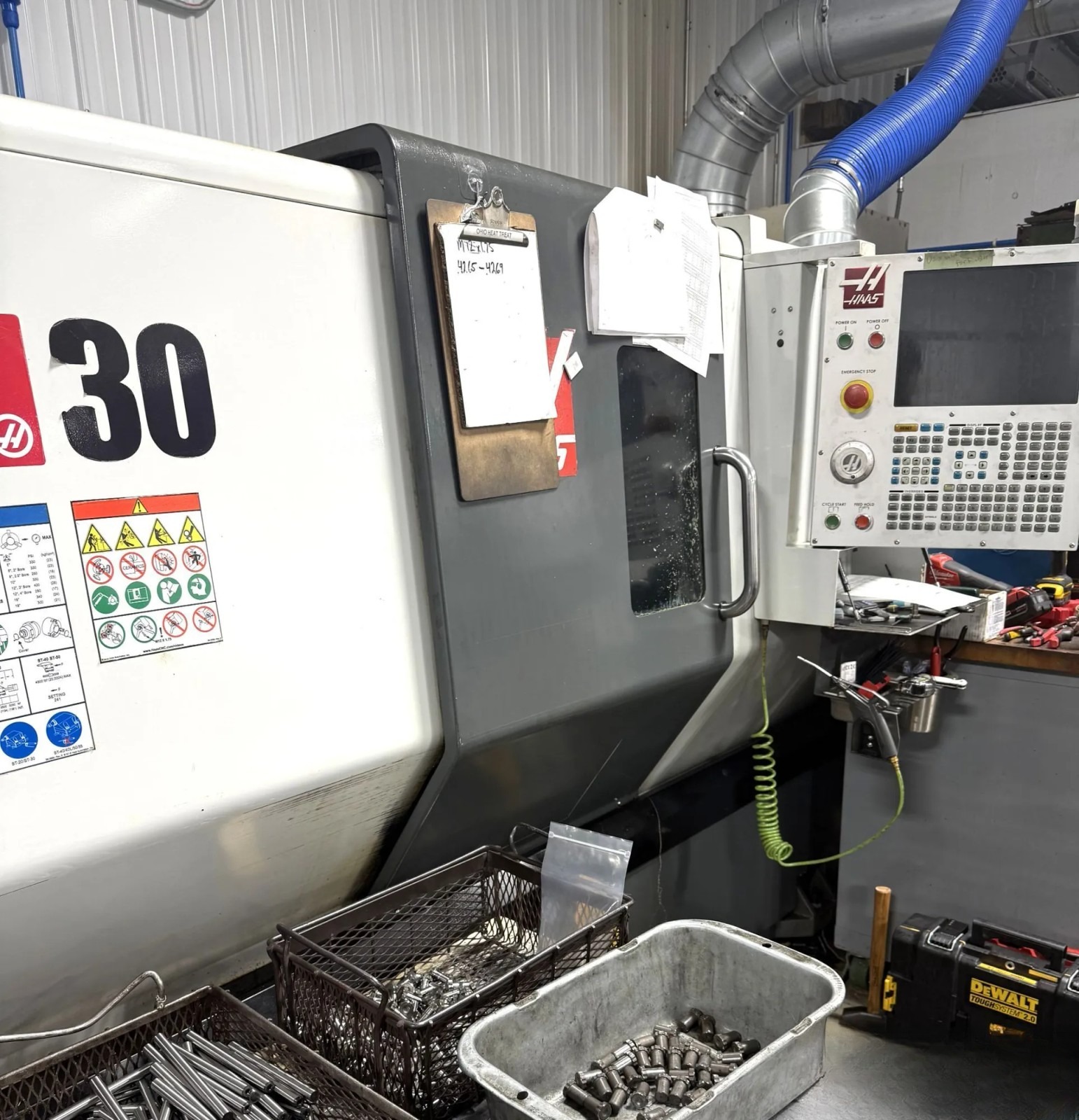
Turning shops see it too. A 2019 Haas ST-30 with NextGen control, programmable tailstock, WIPS, tool presetter, and 300 PSI coolant is still a current platform. Browse more on our used CNC lathes and used VMC pages.
What it costs later
The sticker is not the whole bill. Used iron can nick you later in ways new usually does not — or at least not yet.
- Spindle rebuilds and axis wear (ballscrews, ways, linear guides)
- Tool changer misses, gripper wear, magazine timing
- Control boards, servo drives, and whether the OEM still supports that generation
- Missing options you assumed were standard (probing, TSC, fourth-axis drive)
- Downtime while you wait on a part that is no longer stocked
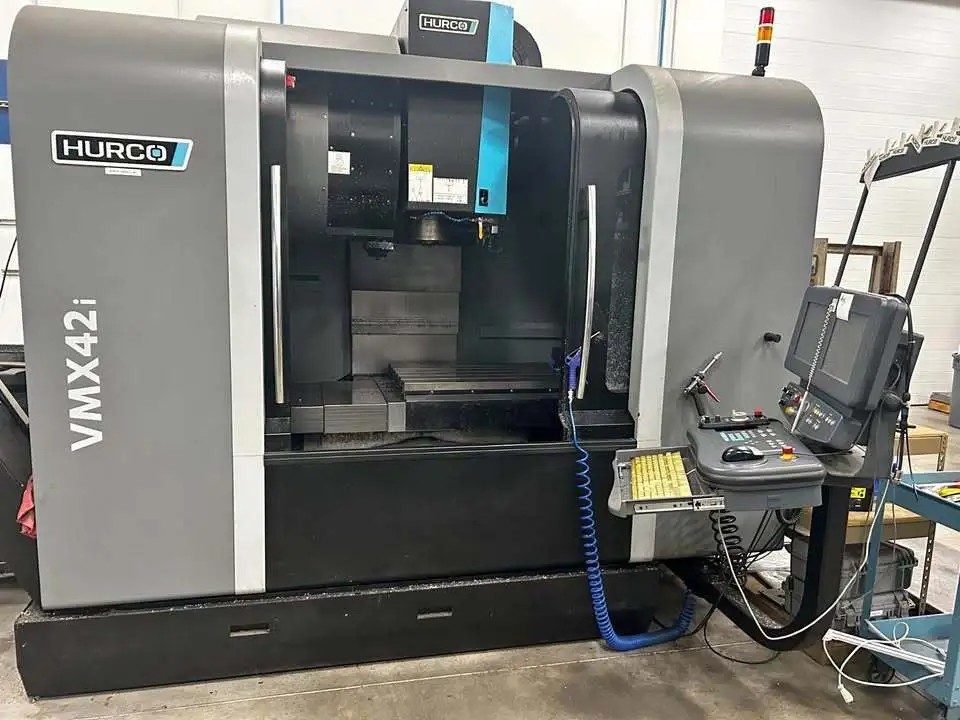
That does not mean older used is a bad buy. It means you price the risk. A mid-2010s VMC like this 2015 Hurco VMX42i can still be a shop workhorse if it homes clean, cuts size, and the Max control is healthy. Open the doors. Look at the spindle and table. Listen to it run.
Older compact mills (think late-2000s Haas Super Mini Mill class) can be the right answer for prototypes, soft jaws, or a backup cell. Just do not pretend a $20k machine has the same remaining life or parts path as a 2020 five-axis. Budget for tooling, a possible spindle, and the day the board fails.
How we decide with a buyer
- Match the work. Three-axis prismatic, five-axis, or mill/turn? Do not buy a Multus to face mill plates.
- See it under power. Homing, a cut, tool change, alarms. We wrote the walkthrough here: what to inspect before you buy a used CNC.
- Read hours, not just the year. Power-on and spindle time are different numbers.
- Confirm support. Control generation, available options, and whether service can still touch it.
- Compare total cash. Purchase price plus move, rigging, tooling, and a realistic maintenance reserve — not purchase price alone.
New still wins when you need a factory warranty, a configuration nobody has used, or a delivery date that lines up with a contract you cannot miss. Used wins when the right machine already exists, it checks out, and the capital gap funds people, tooling, or the next job.

Shop the floor, or sell us yours
Browse live used CNC machines, the full used machinery inventory, or sell us your CNC when you are ready to free up floor space. Inventory turns. If you do not see the model you need, ask — we will look.
Sign Up for Our Newsletter
Sign up for our newsletter using the form below to get company insights and updates directly in your inbox!