


When a shop needs to free up floor space, the question is not “can I sell this CNC.” It is how. Dealer outright buy and consignment are different deals. Different cash timing. Different risk. Different paperwork.
We buy and sell used CNC every week out of a 225,000 sq ft showroom and ship nationwide. Here is how those two paths actually work — with machines that are on the floor today.
Dealer outright buy: cash now, risk moves
An outright buy is simple. We inspect the machine, make an offer, write a purchase agreement, and take title. You get paid on the schedule in the deal — often wired when the truck leaves or when we take possession. After that, the machine is our inventory. We move it, store it, market it, and own the resale risk.
That is why the offer is not “full retail.” A dealer is buying wholesale. We price what it will cost to pull the machine, truck it, clean it up, put it under power on our floor, carry it until it sells, and still leave a margin. You are trading a higher sticker for speed and certainty.

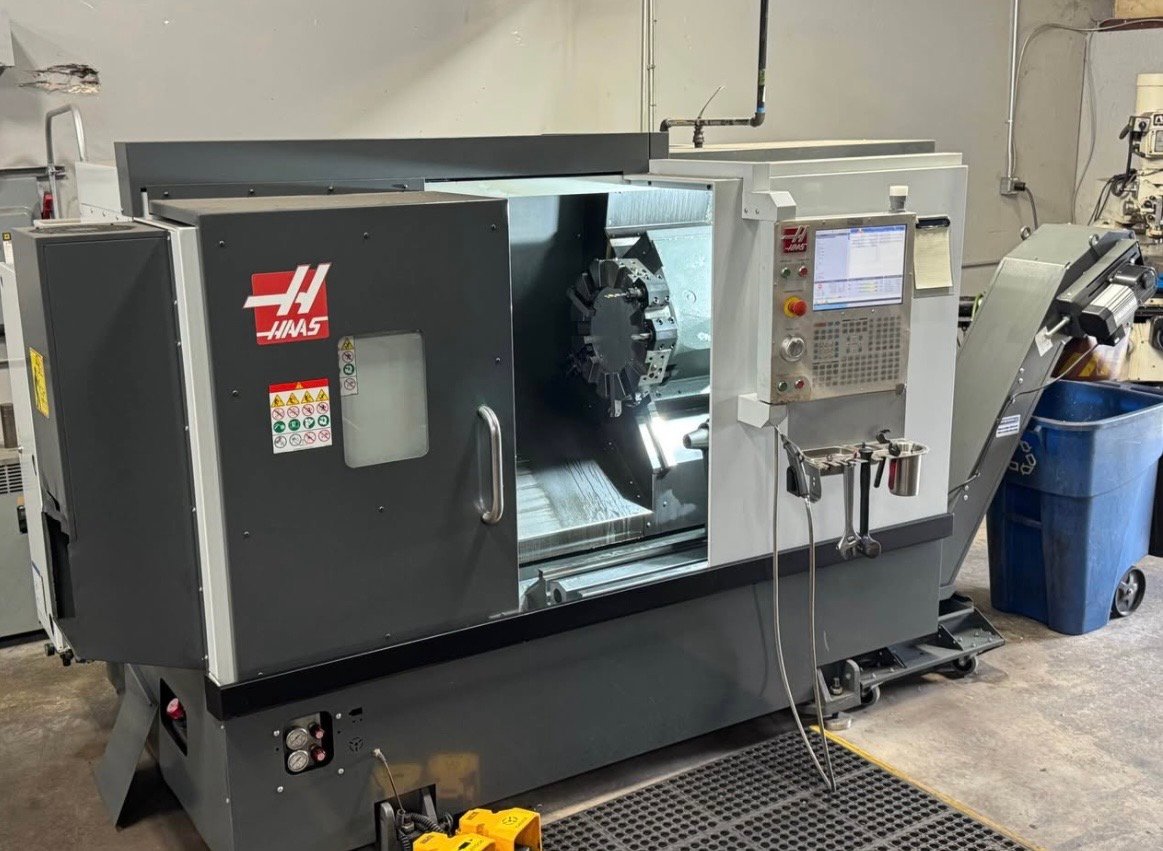
A machine like this 2021 Haas ST-25 is the kind of late-model lathe that moves in a dealer’s buy book: 30 HP spindle, 3,400 RPM, 3" bar capacity, 15" max part diameter. Clean photos and a real demo matter more than a hopeful asking price. Browse more current turning stock on our used CNC lathes page.
Consignment: higher upside, you wait
Consignment keeps title with you (or under a consignment agreement) while we market the machine. When it sells, you get the agreed split after the buyer pays. You are betting that waiting for a retail buyer beats taking a wholesale check today.
That only works when the machine is priced to the market, photographed honestly, and actually available to show. A consigned CNC that cannot demo, has mystery hours, or sits with an auction-fantasy number will sit. Storage, insurance, and opportunity cost are real — even if you are not writing a rent check to us.
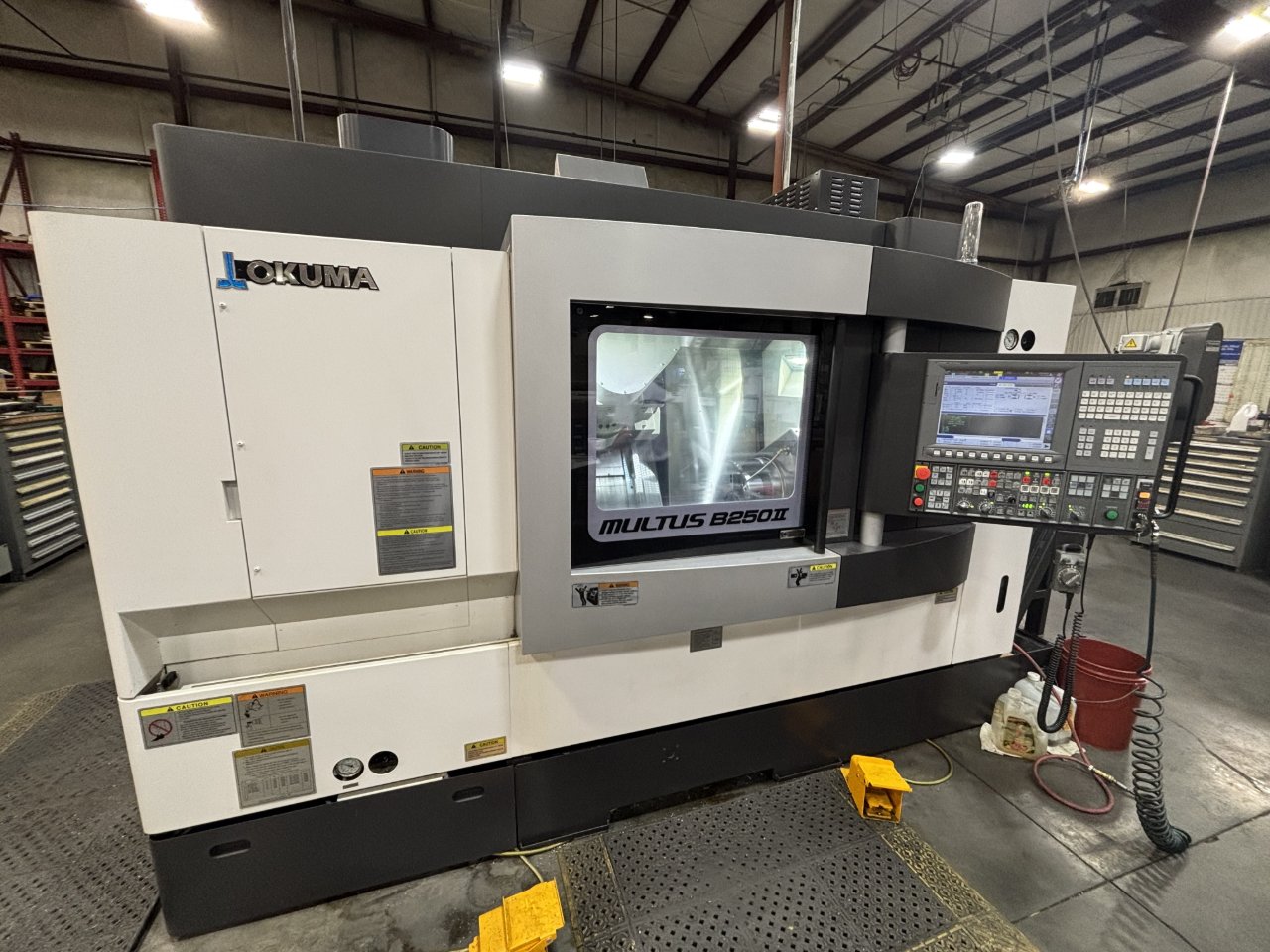
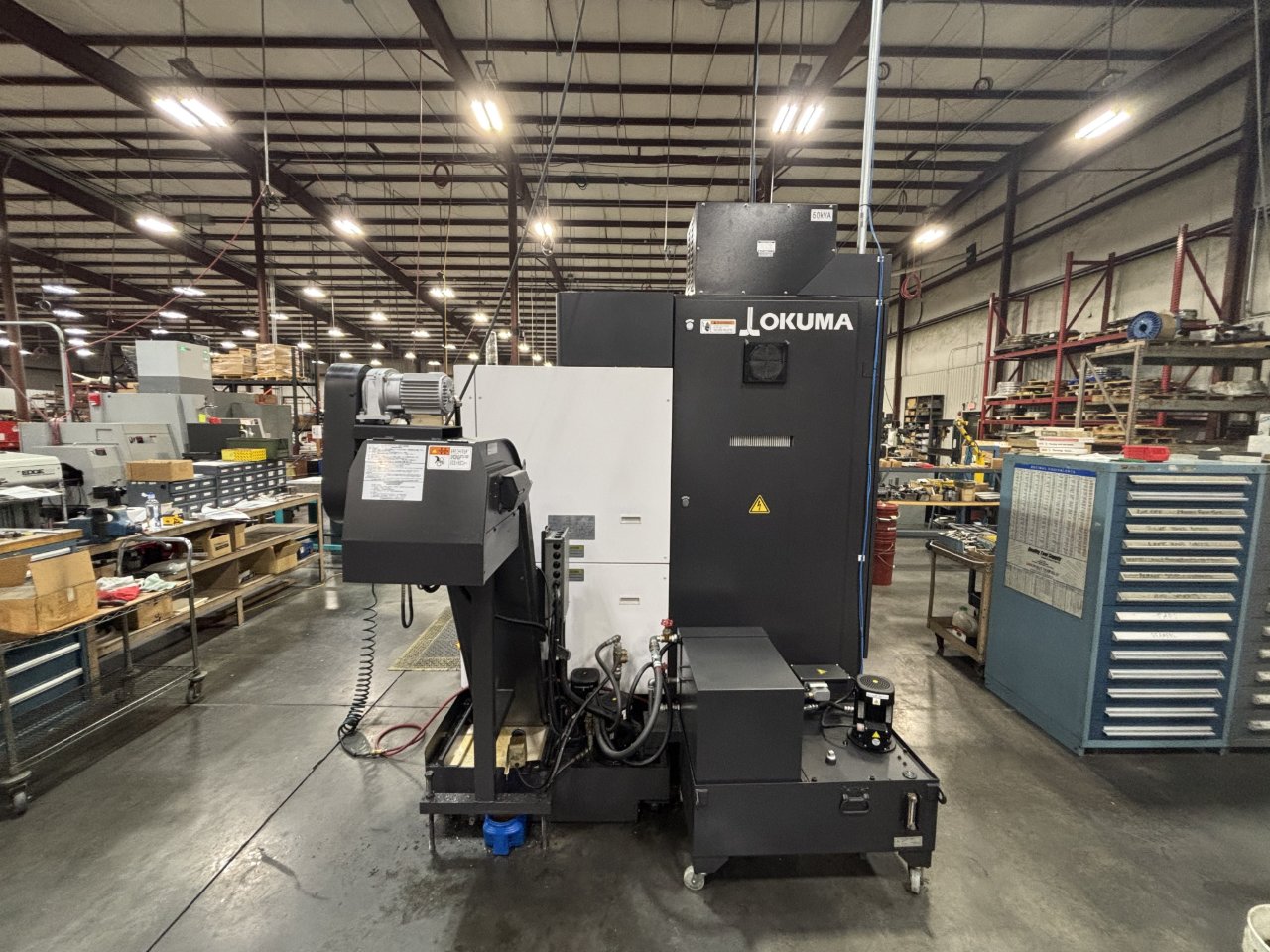
High-value, late-model platforms are where consignment gets interesting. This 2022 Okuma Multus B250 II lists as low hours and like-new: 30 HP turning spindle, 12,000 RPM milling spindle, 40-tool ATC, Kitagawa chucks, Renishaw probing, chip conveyor, OSP-P500. That is not a scrap-yard SKU. A seller who is not in a hurry may prefer a retail path over a wholesale hit — if they accept that the clock is still running.
What we inspect before either deal
Whether we buy it or consign it, the machine has to earn the listing. Expect a real walkthrough — not a photo from across the bay.
- Under power. Homing, a cut or dry run, tool change, alarms cleared. Dark iron is a discount.
- Interior and spindle (or chuck/turret). Ways, covers, chatter marks, leaks, grease condition.
- Control and hours. Power-on vs spindle/cutting time. Control generation and option packages.
- Paper trail. Clear title, lien release if needed, serial plate matches the docs, who owns the tooling and soft jaws.
- Move reality. Rigging access, pit or special foundation, disconnect, who pays trucking.

This 2020 Brother Speedio S700X1 is a clean example of production iron that demos: 27.6" × 15.7" × 11.8" travels, 27,000 RPM BT30, 21-tool ATC, Brother C00, Metrol tool setter. More tapping/milling inventory lives under used CNC vertical machining centers.


When each path makes sense
- Choose outright buy when you need cash for payroll, a new machine, a lease exit, or a plant move — and you want the risk off your floor this month.
- Choose consignment when the machine is late-model, optioned, demos clean, and you can wait for a retail buyer without the machine becoming a boat anchor.
- Skip both fantasies: auction residual as a floor, or “I know what I paid new.” Market comps and condition win.
If you are buying instead of selling, walk the same shot list before you wire money. We covered that here: what to inspect before you buy a used CNC. Used vs new capital math is here: used vs new CNC.
Sell us your CNC — or shop what is live
Ready to move iron? Start at sell machinery — tell us make, model, year, hours, options, and whether it is under power. Prefer to buy? Browse used CNC machines and the full used machinery inventory. Stock turns. If you do not see the model you need, ask — we will look.
Sign Up for Our Newsletter
Sign up for our newsletter using the form below to get company insights and updates directly in your inbox!